Affiliate Disclosure: This post contains affiliate links. When you purchase through these links, we may earn a small commission at no additional cost to you. This helps support our testing and keeps our recommendations honest and independent.
Fountain Pen Mold in Ink or Pen? Beginner Fix Guide (Diagnose, Clean, Prevent)
Seeing weird particles, strings, or odor in fountain pen ink can trigger panic fast. Most beginners do not need advanced chemistry. You need a clear decision tree: sediment vs contamination, isolate quickly, clean safely, and restart with control. This guide gives you a practical workflow that protects pens without overreacting.
Quick Recovery Kit
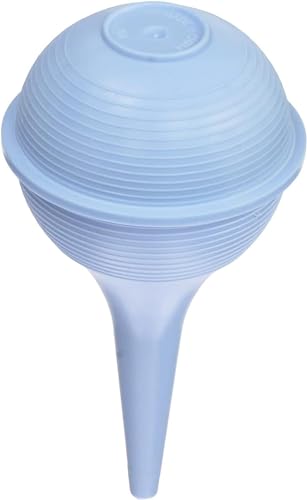
Fast Flush Tool
Clears feed channels faster than repeated converter pumping when contamination is suspected.
Check Option
Controlled Deep Clean
Helps dissolve stubborn dried ink residue before you assume biological growth.
Check Option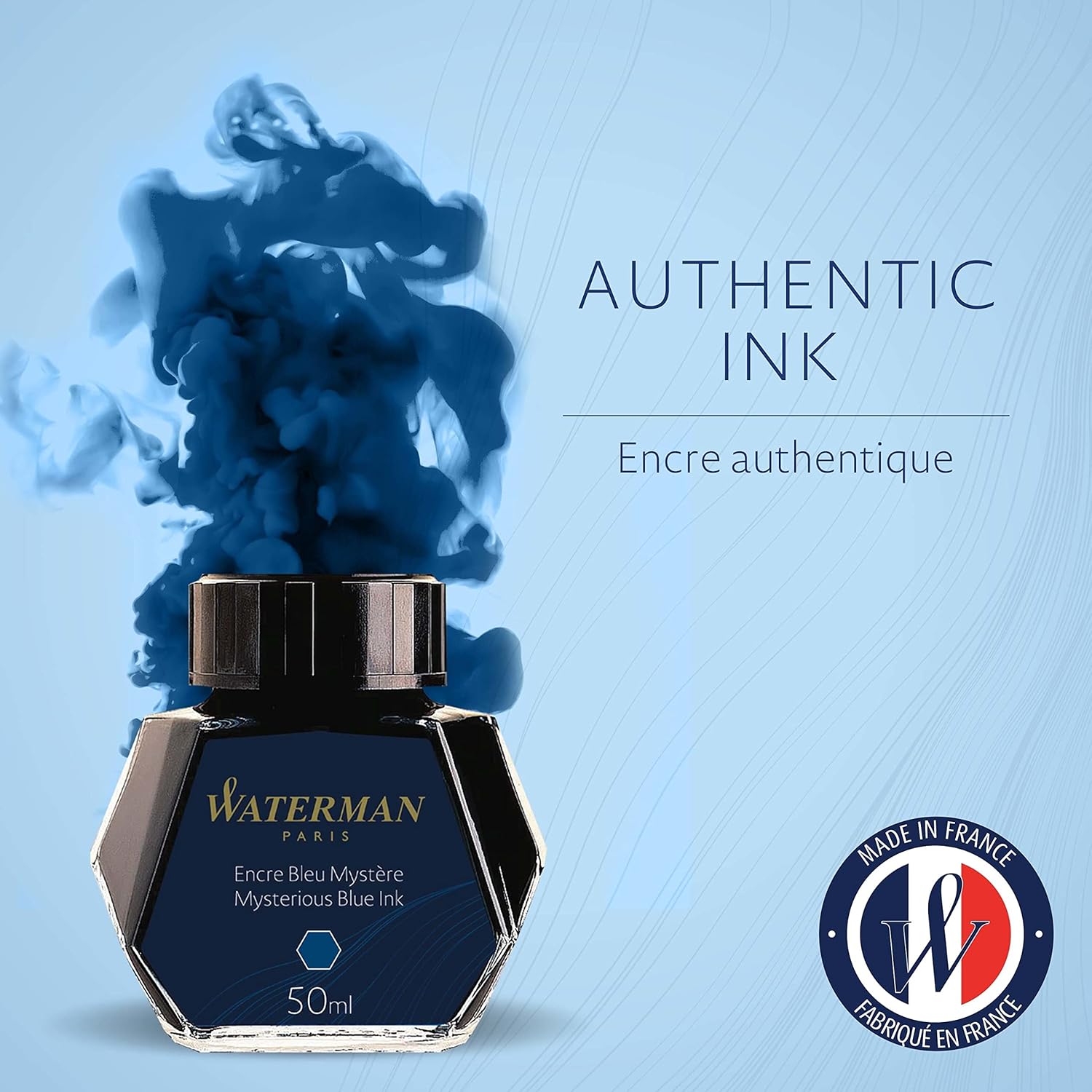
Low-Risk Recovery Ink
Predictable dye ink for post-cleaning test cycles with lower clog risk.
Check OptionDiagnosis Table: Sediment or Real Contamination?
| What You Notice | Most Likely Cause | First Action |
|---|---|---|
| Stringy slime in converter or feed | Possible microbial contamination | Isolate bottle and pen, stop sharing tools across other inks. |
| Tiny dark flakes with no odor | Dried ink sediment or paper fibers | Run water flush first; use cleaner only if flow remains unstable. |
| Sour or musty smell from bottle/section | High contamination risk | Discard bottle if uncertain and fully clean pen and converter. |
| Flow recovers after rinse but fails in 1-2 days | Residual contamination in feed/converter | Repeat full clean and switch to a fresh converter for control testing. |
Decision Scenarios
You only see particles once and the bottle smells normal
Treat it as sediment first: flush, refill with safe dye ink, and observe for 72 hours.
You see slime repeatedly or smell contamination
Prioritize isolation and deep cleaning, then restart with a known-clean ink bottle.
You are unsure whether the converter is part of the problem
Swap to a new converter and run a controlled one-ink test before changing nib or feed.
Step-by-Step Recovery Workflow
Contain
- Stop using the suspect bottle immediately and label it.
- Do not dip clean pens into that bottle during testing.
- Clean your work surface to avoid cross-contamination.
Disassemble and rinse
- Remove cartridge/converter and flush section with cool water.
- Use a bulb syringe to push clean water through feed until clear.
- Rinse converter separately until there is no visible film.
Deep clean and dry
- Apply pen cleaner according to label instructions; avoid soaking trim indefinitely.
- Rinse thoroughly to remove cleaner residue.
- Air-dry parts fully before reassembly to reduce regrowth risk.
Controlled restart
- Use one known-safe ink and one cleaned pen for 3-5 days.
- Keep cap closed when not writing and avoid hot storage.
- If symptoms recur quickly, retire the suspect bottle and converter.
Prevention Tradeoffs: Habits That Raise Risk
| Habit | Risk Level | Lower-Risk Alternative |
|---|---|---|
| Shared syringes across many inks without rinse | High | Use dedicated or fully rinsed tools before switching bottles. |
| Leaving pens inked for weeks in warm rooms | Medium to high | Rotate pens or empty/flush before long idle periods. |
| Frequent bottle opening with dusty desk setup | Medium | Cap bottles immediately and wipe neck threads after filling. |
| Mixing random leftover inks in one vial | High | Avoid unknown mixes; use fresh single-ink fills for troubleshooting. |
Source Signals from Community Questions
- Reddit recent beginner threads: mold/contamination in fountain pen ink
- Reddit recurring questions: slimy feed, bad smell, and bottle safety
- Fountain Pen Network troubleshooting discussions on contaminated ink handling
FAQ
Is every particle in ink mold?
No. Paper fibers and sediment can look scary. Smell, repeat behavior, and slime-like texture are stronger contamination signals.
Can I save a contaminated ink bottle?
For beginners, the safer default is replacement. The bottle cost is usually lower than repeated pen failures and cross-contamination risk.
Do I need to throw away my pen if mold appears once?
Usually no. Most pens recover with a disciplined flush-and-dry cycle plus converter/tool hygiene.
Should I use bleach or strong disinfectants in my pen?
No. Aggressive chemicals can damage seals and finishes. Use pen-safe cleaner and thorough water rinsing.
How do I reduce recurrence after cleanup?
Use one clean bottle, one cleaned converter, and avoid leaving inked pens idle for long warm periods.