Affiliate Disclosure: This post contains affiliate links. When you purchase through these links, we may earn a small commission at no additional cost to you. This helps support the site's research and upkeep.
Fountain Pen Ink in the Cap and Inky Fingers: Beginner Leak Fix Guide
If your fingers keep getting inked, the problem is usually system mismatch, not bad luck. Beginners often mix a wet setup, rushed capping, and shaky carry habits, then blame one product. This guide gives a practical diagnosis path so you can stop the mess quickly.
Quick Recovery Picks
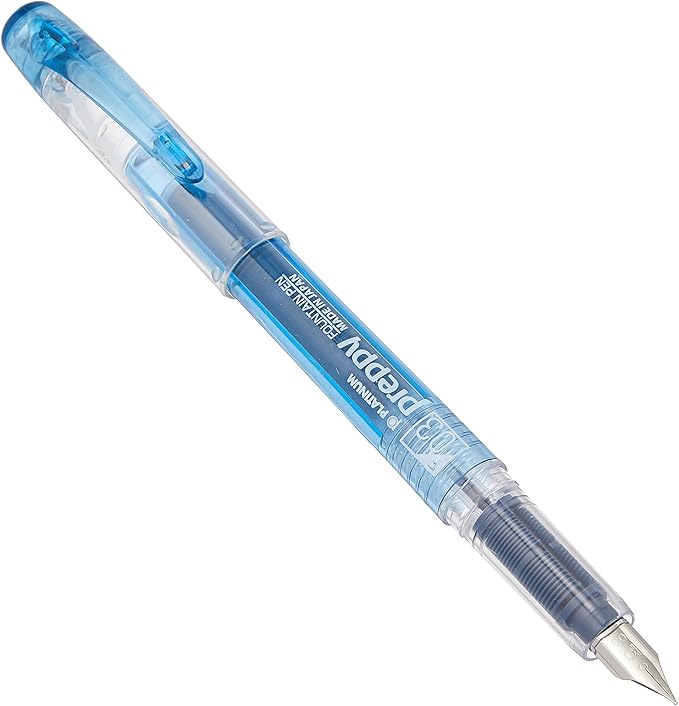
Safe Starter Pen
Slip & Seal cap helps reduce dry-out and random cap splatter between sessions.
Check Option
Pilot Converter Baseline
Lets beginners stop reusing punctured cartridges that often seat poorly and seep.
Check Option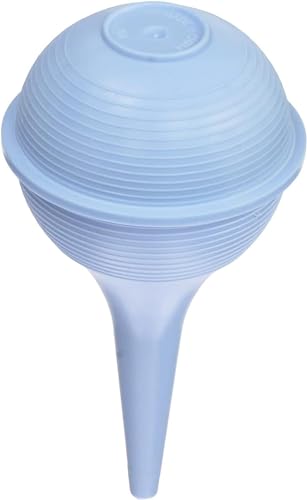
Fast Cleanup Tool
Flushes hidden feed residue that causes pressure bursts and surprise cap ink.
Check OptionFind Your Leak Pattern Before Buying Anything
Treat leaks as a branching troubleshooting problem. Different symptoms point to different causes. Use this matrix first. If you skip this step, you can waste money replacing a pen when the real issue is converter seating or carry angle.
Ink appears in cap but grip section stays mostly clean
Likely cause: Cap condensation + overfilled nib/feed after writing
First fix: Wipe nib before capping, store pen nib-up overnight, and reduce heavy pressure writing.
Grip section gets inky while writing
Likely cause: Loose converter/cartridge seal or crack near section threads
First fix: Reseat converter firmly, inspect section under bright light, test with clean water first.
Leaks mostly after commuting or backpack carry
Likely cause: Air-pressure and shaking forcing ink forward
First fix: Carry nib-up, keep reservoir below full, and avoid leaving pen in hot car pockets.
Sudden blob after days unused
Likely cause: Dried residue in feed channel causing unstable restart flow
First fix: Deep flush with bulb syringe until water runs clear, then refill with stable ink.
Setup Tradeoff Table: Cartridge vs Converter vs Reused Cartridge
| Setup | Leak Risk for Beginners | Learning Curve | Best Use Case |
|---|---|---|---|
| Reuse empty cartridge with syringe | High | Medium | Experienced users who inspect seals |
| Official converter | Low to medium | Medium | Beginners who want bottled ink safely |
| Brand cartridges | Low | Low | Students and commuters needing predictable behavior |
Troubleshooting Branches: What to Do in Order
Branch A: Leak happens during writing
Start with the section connection. Remove and reseat converter or cartridge, then wipe the section threads. If ink returns to your grip area within 1-2 pages, inspect for hairline cracks near the nib collar and section threads. Cracks usually mean replacement, not tuning.
Branch B: Leak appears after carrying
Change carry behavior before swapping pens. Keep nib-up in bag pockets, avoid full fills before long travel, and keep pens out of hot environments. If this fixes 80% of incidents, your issue is pressure and motion, not pen quality.
Branch C: Leak appears after idle time
Flush first, then refill with one stable ink and test on smoother paper. Idle leaks often come from partial feed blockages that release in bursts. A thorough rinse with a bulb syringe usually gives clearer evidence than random nib tinkering.
Beginner Mistakes That Create Repeat Leaks
- • Over-tightening converter knobs and assuming more force means better seal.
- • Ignoring tiny section cracks because the pen still writes most of the time.
- • Refilling to maximum before long travel where heat and motion increase pressure swings.
- • Changing pen, ink, and paper on the same day so root cause stays hidden.
- • Trying aggressive nib adjustments before basic seal and cleaning checks.
Practical Minimum Routine (5 Minutes Weekly)
One short routine prevents most beginner leak cycles: empty and rinse, check seating, wipe section threads, and store nib-up overnight after refill. This is faster than emergency cleanup after every commute. If your pen stays clean for two weeks with this routine, keep your current gear and avoid unnecessary upgrades.
FAQ
Q: Is ink in the cap always a defective pen?
A: No. A small amount can happen from normal cap condensation, especially after heavy writing. Repeated large puddles or grip-section ink usually indicates seal or handling issues.
Q: Should beginners avoid converters completely?
A: Not necessarily. Converters are fine when they match the pen and are seated correctly. Cartridges are simply easier when you are still learning routine cleaning and carry habits.
Q: Why does leaking get worse during commute?
A: Movement and temperature changes push air in the ink chamber. That pressure can force extra ink into the feed and cap. Nib-up carry and less-than-full fills usually help.
Q: What is the safest first troubleshooting step?
A: Flush the pen, reseat cartridge or converter, and test on one stable ink for a few days. This isolates mechanical issues before you spend on replacement pens.
Q: When should I return the pen instead of fixing it?
A: Return it when you see visible cracks, persistent leaking after reseating and cleaning, or cap closure that never seals fully.