Affiliate Disclosure: This post contains affiliate links. When you purchase through these links, we may earn a small commission at no additional cost to you. This helps support our testing and keeps our recommendations honest and independent.

Best Fountain Pens for Cheap Paper: Beginner Setups That Do Not Turn Office Notes Into Fuzz

Tags:beginner guidebuying guidecheap paperoffice papercopy paperPilot KakunoPelikan 4001 Blue-BlackHP Premium 32lb
By Fountain Pen Expert Team Published July 14, 2026 Updated July 14, 2026

Many beginners do not choose their paper. They inherit it from the office printer, the classroom notebook, the planner they already bought, or the forms they have to fill out at work. That changes the advice completely. Instead of asking for the smoothest pen or prettiest ink, you need a setup that can survive cheap paper without turning every line into feathered fuzz.

Key Findings

Quick Picks

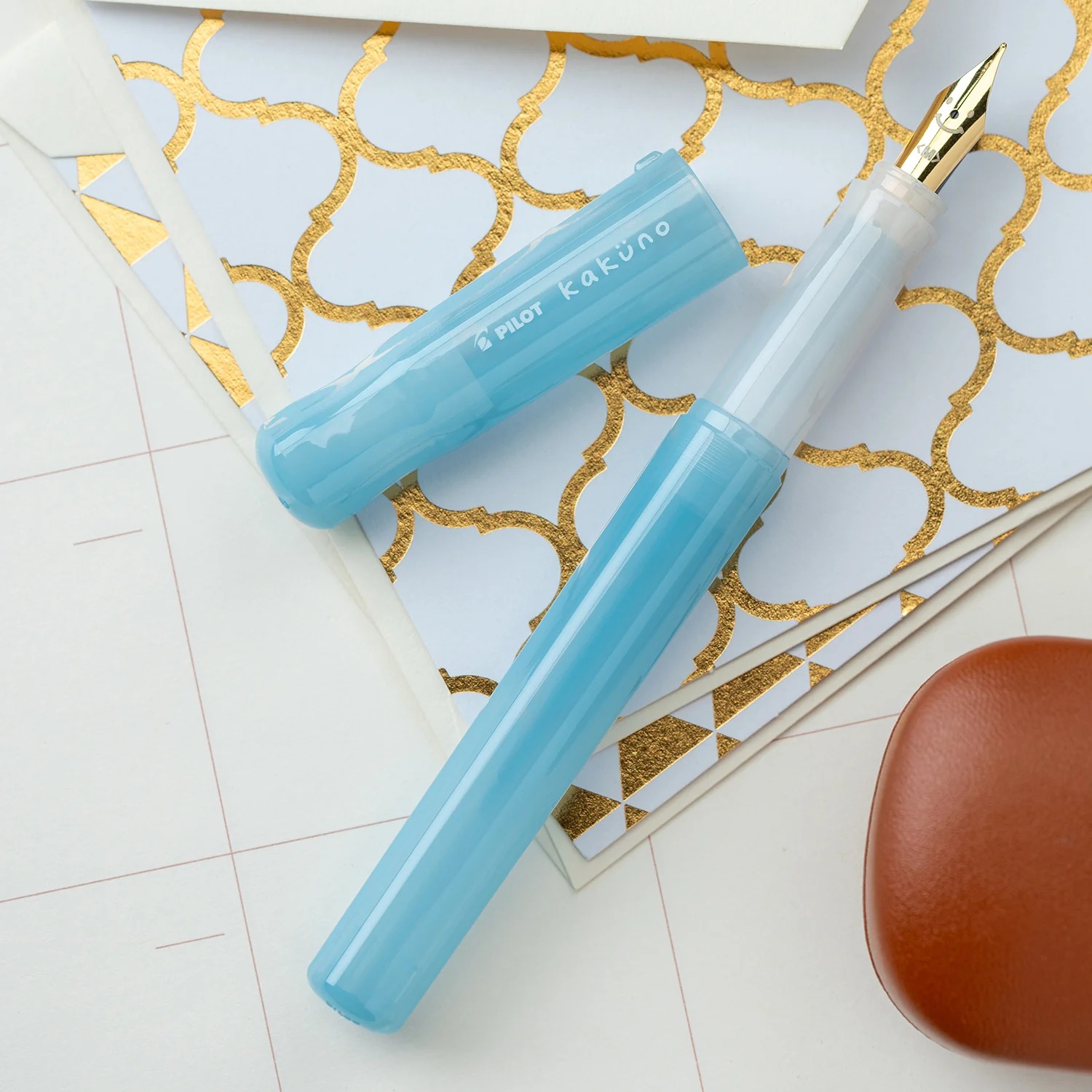
Best Cheap-Paper Control Pen

Best Cheap-Paper Control Pen

A reliable fine-nib baseline helps beginners separate true pen issues from paper-caused mess fast.

Check Option
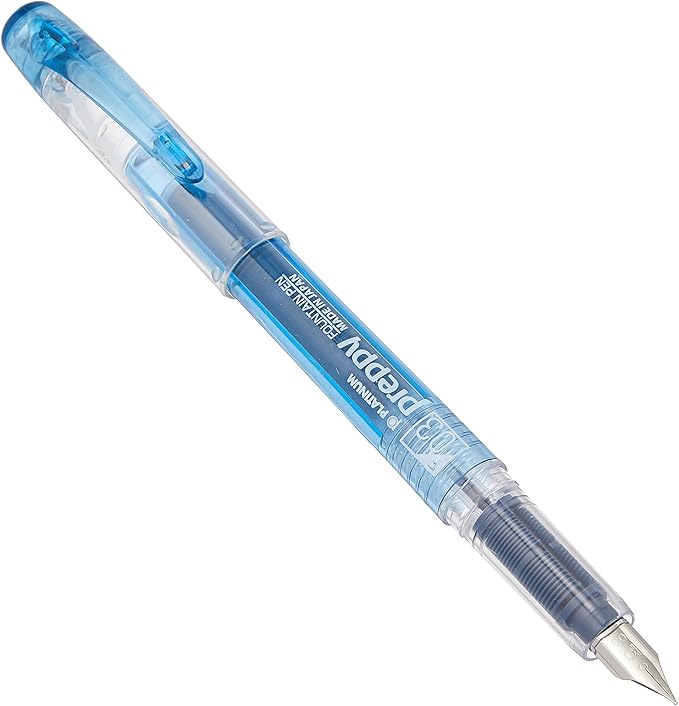
Best Lowest-Cost Test Setup

Best Lowest-Cost Test Setup

If you need the cheapest practical answer, Preppy is still one of the fastest ways to test a finer, more controlled line.

Check Option
Best Dry-Leaning Work Ink

Best Dry-Leaning Work Ink

This is the missing recommendation for beginners who need cleaner behavior on copier paper before they can change notebooks.

Check Option
Best Easy Paper Upgrade

Best Easy Paper Upgrade

When you can choose your own loose sheets, HP Premium often fixes more problems per dollar than swapping pens again.

Check Option

Why “Just Buy Better Paper” Is Not Enough Advice

Good paper is wonderful, but it is not always available. Many beginners need one pen for lecture notes, office forms, planner pages, grocery lists, and whatever copier stack is closest. That means the real question is not “What paper is best?” It is “What fountain-pen setup fails less badly when the paper is ordinary?”

The answer usually starts with restraint. Smaller line. Drier ink. Fewer dramatic colors. Less obsession with maximum smoothness. When the paper is the limiting factor, control matters more than luxury.

Comparison Table: Better Survival Setups for Cheap Paper

Pick Nib Style Flow Bias Cheap-Paper Tolerance Best For
pilot-kakuno Fine Controlled High Students, forms, dense notes
platinum-preppy-black Fine or extra-fine leaning Controlled High Low-cost first test on random paper
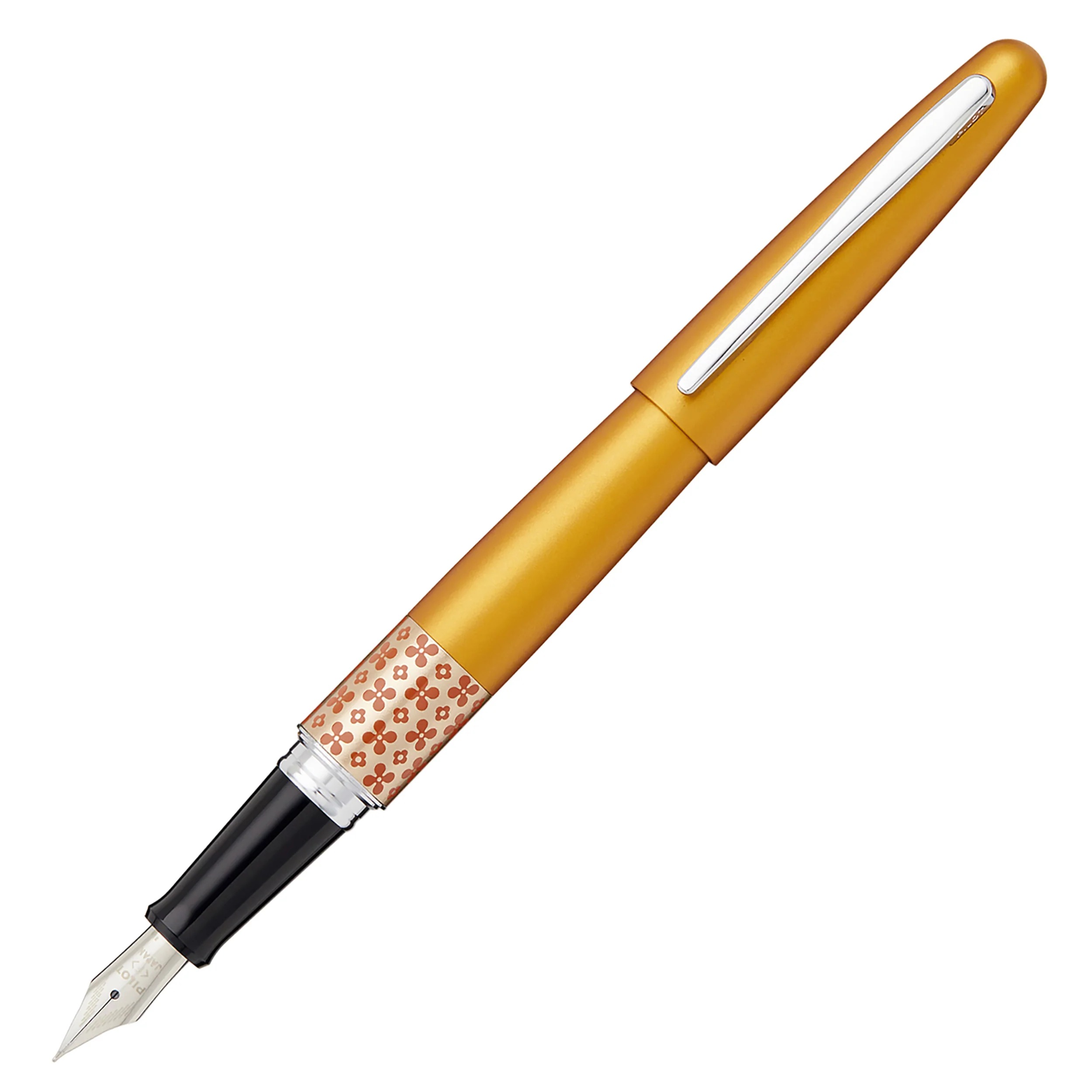
pilot-metropolitan-black Fine Moderate Medium-high Work use when you want a more grown-up body
hongdian-920-slim Fine / extra-fine use case Controlled Medium-high Small handwriting and narrow ruling
pelikan-4001-blue-black-30ml Ink, not pen Dry-leaning High Cleaning up feathering without leaving fountain pens

What Actually Happens on Bad Paper

Cheap paper usually causes three visible problems. First, the line spreads wider than the nib size suggests. Second, ink feathers outward into tiny hairs. Third, bleed-through or show-through makes the back page ugly or unusable. Beginners often read that whole mess as “my pen is too wet” or “this nib is bad.” Sometimes that is true. More often the paper is exposing a setup that was tuned for nicer stock.

This is why cheap-paper advice has to cover more than one variable. Pen choice matters, but ink chemistry and nib width are often the fastest fix. A controlled fine nib plus a drier blue-black can outperform a much more expensive pen that dumps a richer line onto pulp-heavy office paper.

Decision Branches: Build the Right Survival Setup

You are stuck with office copy paper or work forms

Choose a controlled pen first, then a drier work ink. A fine Pilot or Platinum setup will usually outperform a broader, wetter pen that feels nicer on premium paper but explodes on copier stock.

Primary pick

pilot-kakuno

Backup pick

pelikan-4001-blue-black-30ml

You write tiny notes in planners or margins

Your problem is usually line width plus spread. Prioritize finer nibs and lower feathering before chasing smoother paper feel. Controlled lines beat luxurious flow in cramped spaces.

Primary pick

hongdian-920-slim

Backup pick

platinum-preppy-black

You can choose some loose paper, but not all of it

Stop trying to make every bargain notebook behave like Rhodia. Carry one reliable pen and use HP Premium or another known baseline when the document matters. That is more realistic than expecting random office paper to perform like coated premium stock.

Primary pick

hp-premium-32lb-laser-paper

Backup pick

pilot-metropolitan-black

You need a darker line but cannot tolerate huge feathering

This is where ink choice matters more than beginners expect. A dry-leaning blue-black or mild iron-gall option often gives a cleaner result than a rich, wet black that looks better on premium paper but blooms everywhere else.

Primary pick

pelikan-4001-blue-black-30ml

Backup pick

rohrer-klingner-salix-50ml

Ink and Nib Combinations: What Usually Works Better?

Combination Cheap-Paper Result Why
Wet medium nib + saturated ink High risk Looks rich on good paper, but quickly feathers and spreads on copier stock
Fine nib + safe-flow blue ink Lower risk Best all-purpose starting point for forms and notes
Fine nib + dry-leaning blue-black Very good Stronger line control with more professional color
Premium paper + any reasonable setup Best result Great when available, but not the real daily scenario for many beginners

Troubleshooting Ladder Before You Give Up on Fountain Pens

1. Reduce line width pressure

Use fine or extra-fine first. Broad nibs amplify cheap-paper flaws too quickly for most beginners.

2. Swap to a drier, cleaner ink

If your line feathers and spreads, changing ink can do more than changing pen body.

3. Keep one known-good test sheet

HP Premium or Rhodia helps you confirm whether the pen is actually at fault.

4. Accept that some paper is a hard limit

Receipt paper, pulp-heavy forms, and low-grade recycled sheets may never look great with fountain pens.

5. Build a “survival setup,” not a fantasy setup

The goal is clean enough notes on paper you really use, not Instagram-level shading on premium stationery.

Why This Topic Rose to the Top

Recent community threads kept repeating the same real-world frustration: beginners want fountain pens to work on the paper they already use, not only on curated premium notebooks. Those signals made it clear this deserved a dedicated page instead of one more generic paper guide:

Bottom Line

If cheap paper is your everyday reality, buy for control, not fantasy. A fine Pilot or Platinum, a cleaner blue-black ink like Pelikan 4001, and one reliable test paper such as HP Premium will solve more beginner frustration than chasing broad nib smoothness on paper that was never built for it.