Affiliate Disclosure: This post contains affiliate links. When you purchase through these links, we may earn a small commission at no additional cost to you. This helps support the site's research and upkeep.
Best Fountain Pen Nib Size for Small Handwriting: EF vs F vs M for Beginners
Choosing nib size for small handwriting is a tradeoff between line control and writing comfort. Beginners often chase the finest possible nib, then struggle with scratchiness or inconsistent notes. The goal is not the thinnest line. The goal is clean, repeatable writing under your real daily conditions.
Quick Picks by Writing Profile
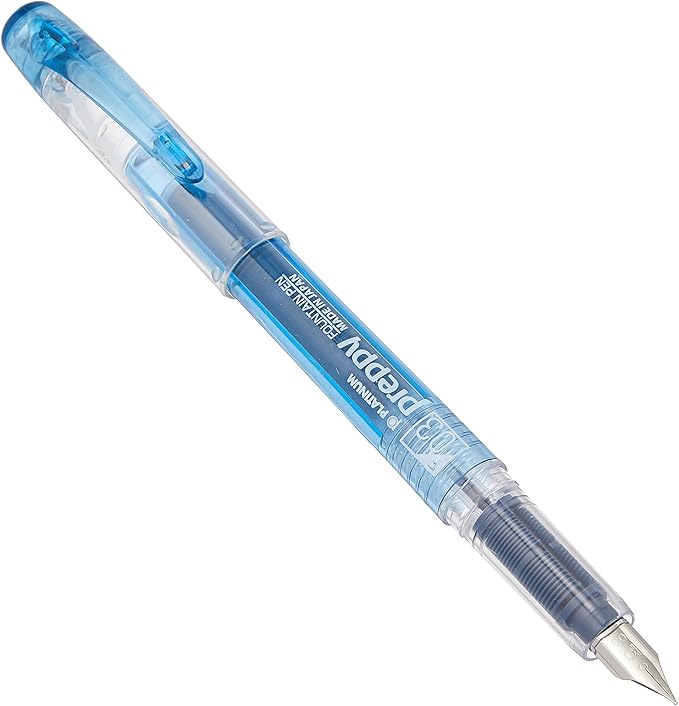
Tiny print + cheap paper -> EF
EF controls line spread best when notebooks are absorbent and classes move fast.
Check Pen
Small handwriting + mixed paper quality -> F
Fine nib keeps letters crisp while staying smoother than many beginner EF nibs.
Check Pen
Medium-small writing + smoother notebook paper -> M
Medium works when you value smoothness and your paper does not feather badly.
Check PenEF vs F vs M Comparison Table
| Nib | Line Width | Strengths | Tradeoffs | Best For |
|---|---|---|---|---|
| EF (Extra Fine) | Narrowest line | Best for tiny planners, dense lecture notes, and cheap paper margins | Can feel scratchy if angle or pressure is inconsistent | Very small print and left/right margin notes |
| F (Fine) | Balanced narrow line | Most forgiving daily option for beginners | Still may feather on very absorbent paper with wet inks | General note-taking and journaling |
| M (Medium) | Wider and wetter line | Smoother feel and stronger ink color | Can blur small letters and increase dry time | Larger handwriting on fountain-pen-friendly paper |
Decision Framework You Can Use in 10 Minutes
Step 1: Check your real writing size
Write one paragraph at your normal speed. If loops in letters like a/e close up, start from EF or F.
Step 2: Check your notebook quality
If your current paper feathers with gel pens, avoid medium nib as your first choice.
Step 3: Match smoothing vs control
Choose F if you want one safe middle path. Choose EF if line control matters more than buttery feel.
Step 4: Lock one stable ink before judging nib
Testing five inks with one nib hides the real result. Keep one reliable ink for your first two weeks.
Real-World Setup Scenarios
Your nib only performs as well as the full system around it. These bundles reduce mismatch between nib width, ink flow, and paper absorbency so beginners can get cleaner results faster.
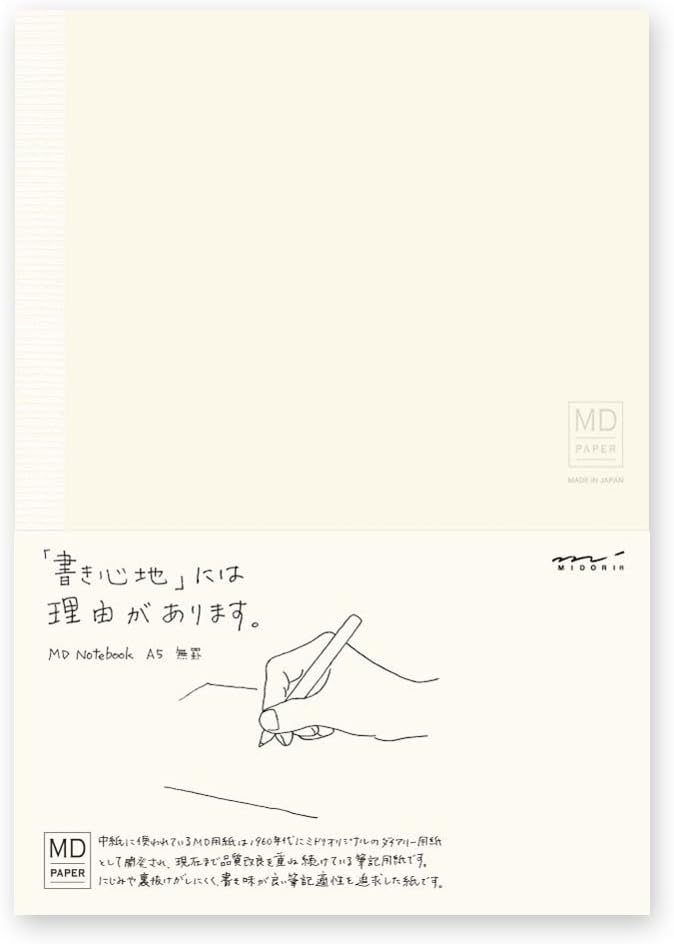
Student notes with compact handwriting
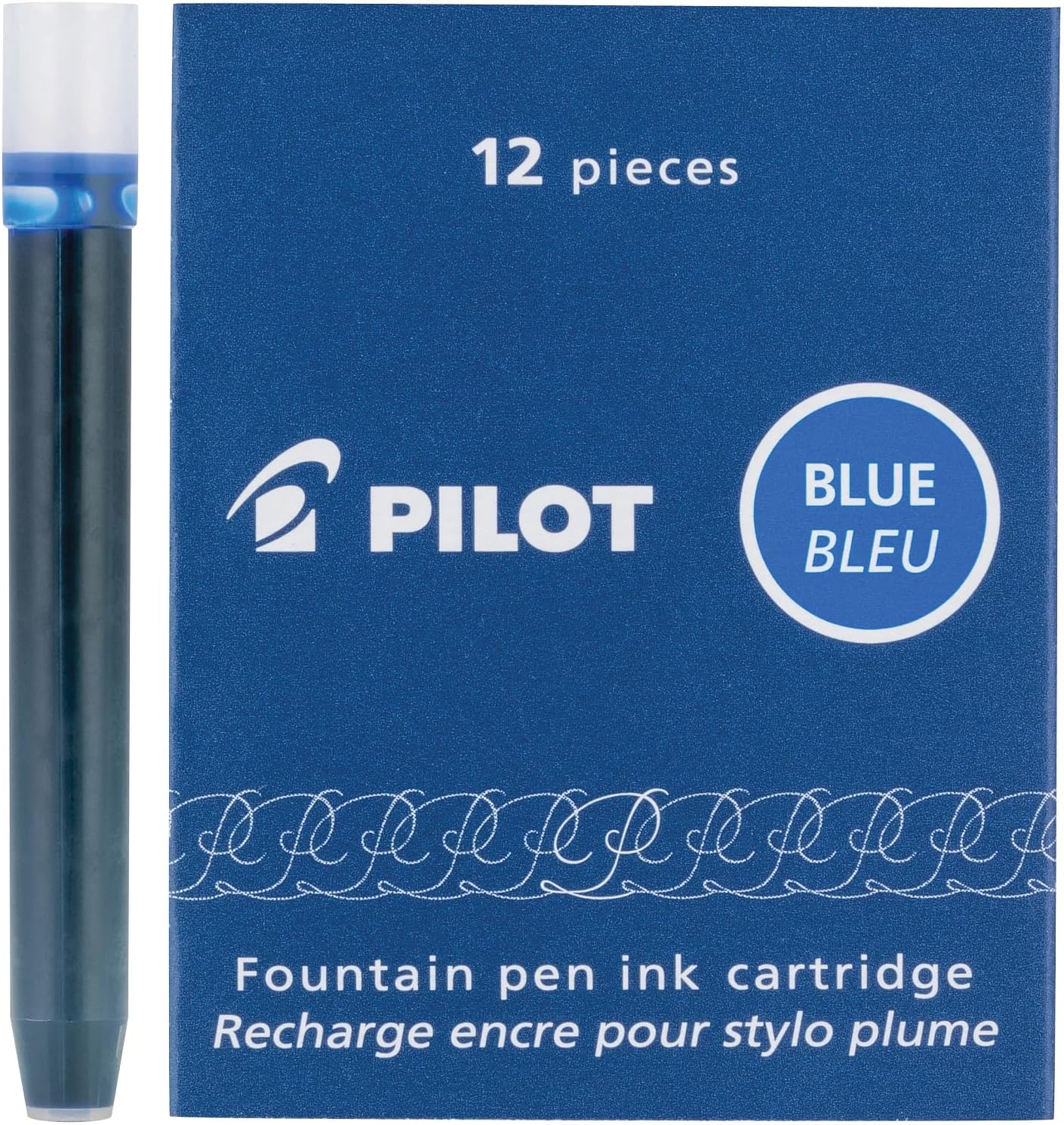
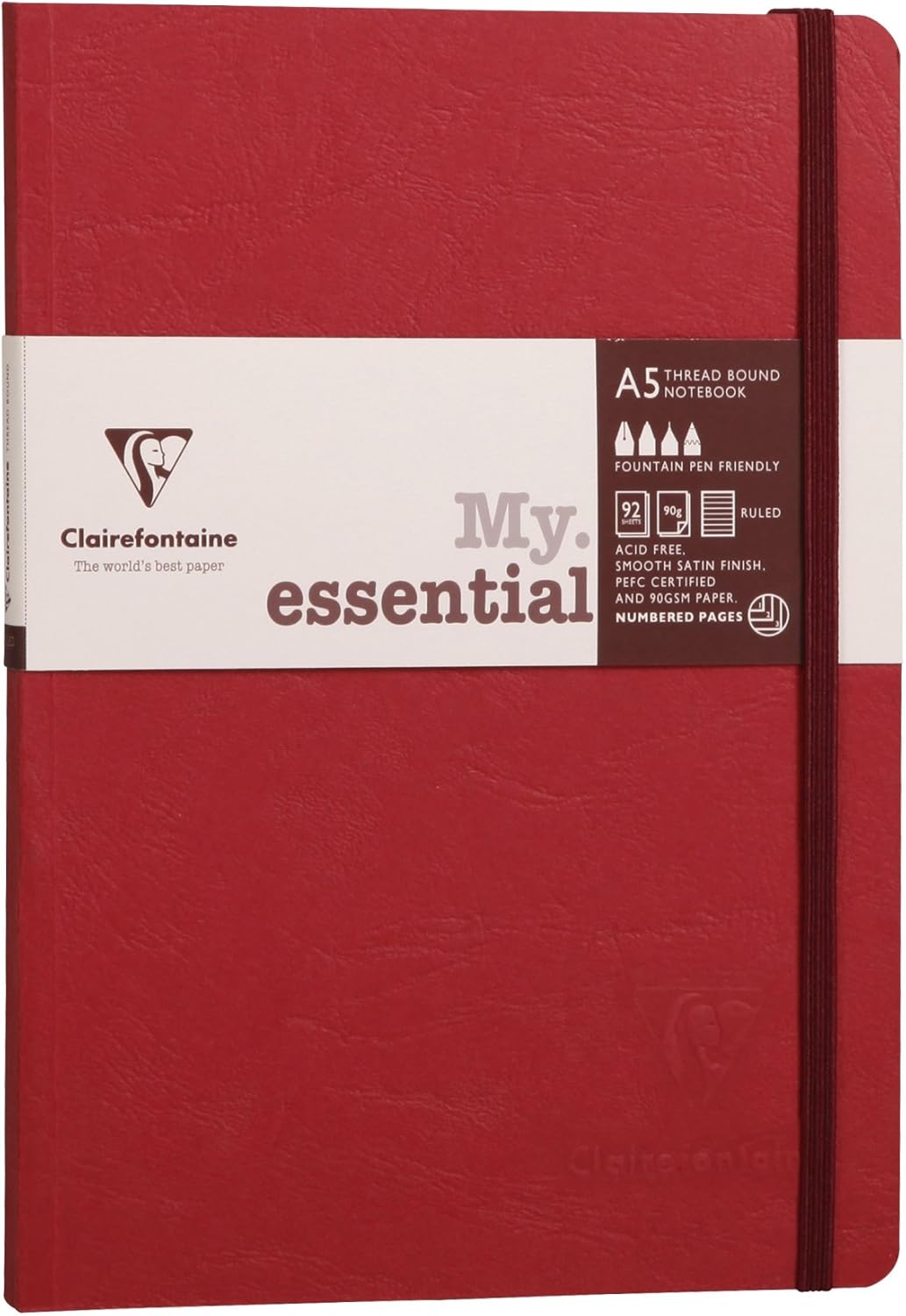
Lowest-cost setup for dense planners
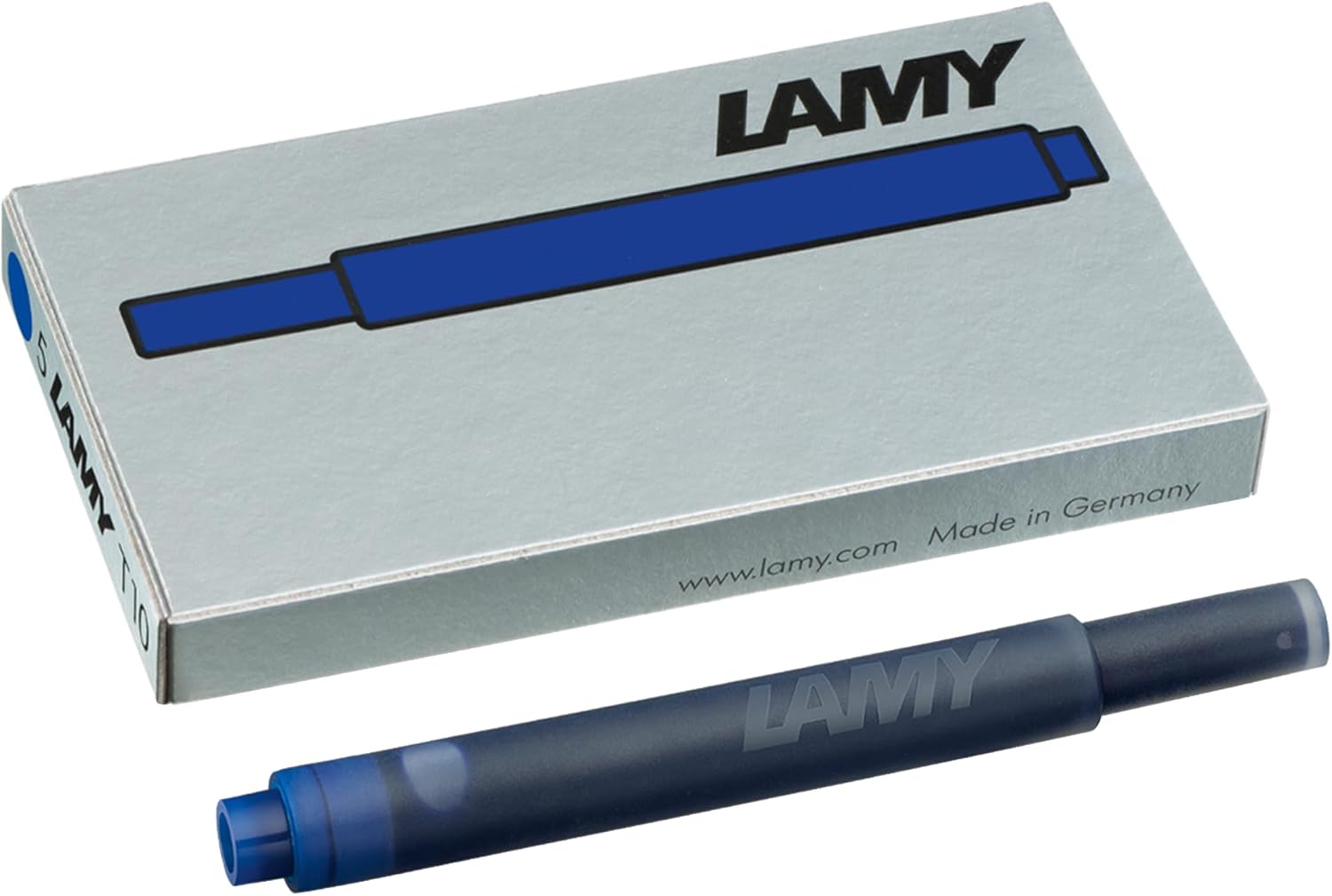
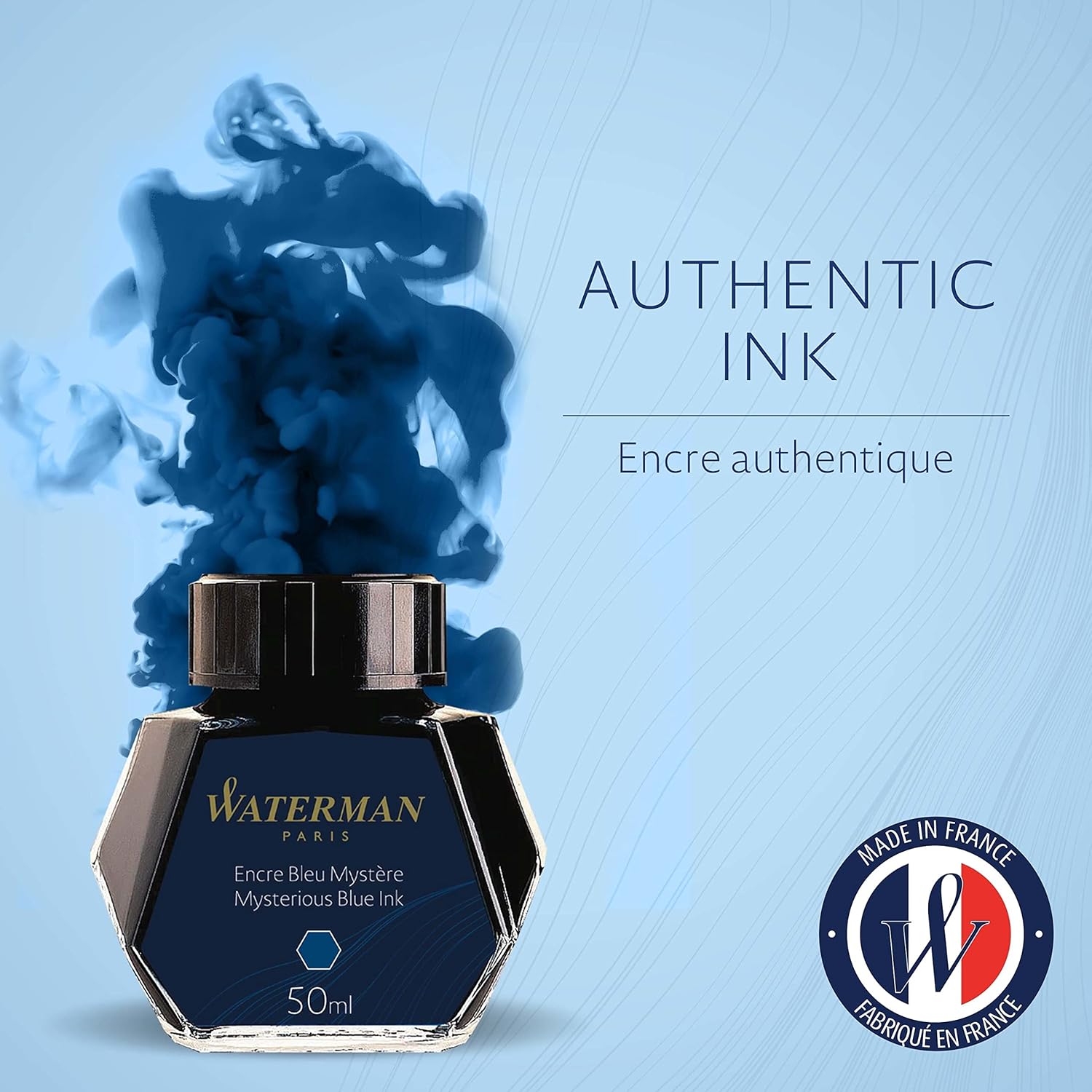
Controlled line with tactile feedback
Troubleshooting Branches for Small-Handwriting Users
EF feels too scratchy
Lower pressure and rotate paper slightly. If scratch persists on smooth paper, switch to a smoother F nib rather than forcing alignment.
F still looks too broad in planner grids
Move to a drier ink and finer nib combo. Paper and ink often cause width creep more than nib label alone.
M writes beautifully but smears in notes
Keep M for journaling notebooks and use EF/F for class notes. One nib cannot optimize every context.
Line width changes randomly
Flush feed and inspect converter seal. Flow inconsistency can mimic nib-width problems.
What Most Beginners Get Wrong About Nib Labels
Nib labels are not perfectly standardized across brands. A Japanese medium can look close to a Western fine, and two "fine" nibs can feel very different on textured paper. Always judge nib choice inside your own note-taking context, not by label alone.
If you want one safe first choice for small handwriting, start with a reliable fine nib and controlled ink. Upgrade to EF only when you know you need tighter line control than F can deliver.
FAQ
Q: Is EF always the best for small handwriting?
A: Not always. EF gives maximum control, but a rough EF can reduce legibility if it catches paper. Many beginners write cleaner with a smooth F.
Q: Why does my fine nib look thick on some notebooks?
A: Absorbent paper spreads ink. The same nib can appear one size wider on low-quality paper.
Q: Can I solve nib-width issues by changing ink only?
A: Sometimes, but only within limits. Drier inks narrow lines slightly, yet they cannot turn a medium nib into an extra-fine line.
Q: Should beginners buy multiple nib sizes immediately?
A: Start with one practical baseline (usually F), then add EF or M after two weeks of real use. This keeps costs lower and decisions clearer.
Q: What if I have tiny handwriting and heavy pressure?
A: Prioritize smoother F nibs first. Heavy pressure can make EF feel sharp and unpleasant, which harms consistency.